Loading...

List of Issues

    Chinese Journal of Chromatography
    2026, Vol. 44, No. 5
    Online: 08 May 2026

    For Selected: Toggle Thumbnails
    Reviews
    Polydimethylsiloxane microfluidic aptasensor: opening a new era of biomarker point-of-care testing
    YANG Yuanchao, XIAO Renfang, WU Yangtao, BAI Li, WANG Xingya, ZHAI Jingbo
    2026, 44 (5):  499-514.  DOI: 10.3724/SP.J.1123.2025.10003
    Abstract ( 201 )   HTML ( 11 )   PDF (1573KB) ( 38 )  

    Microfluidic technology, an emerging micro-nano technology, facilitates the precise manipulation of trace liquids via diverse microstructures. It is distinguished by its miniaturization and cost-effectiveness. Among the synthetic materials employed for microfluidic chips, polydimethylsiloxane (PDMS), a polymer material, has emerged as the optimal choice for fabricating microfluidic chips. This preference stems from its straightforward manufacturing process, high transparency, outstanding chemical stability, and biocompatibility. Biosensors developed by integrating aptamers, which serve as specific biological receptors, into PDMS microfluidic chips are termed PDMS microfluidic aptasensors. These aptasensors capitalize on the distinctive advantages of aptamers as biological recognition elements in conjunction with microfluidic technology. Microfluidic technology transforms the interactions between biomolecules into readable signals that are readily processed and reported, thereby offering sensing methods characterized by high specificity and sensitivity. This advancement significantly propels the development of point-of-care testing (POCT) for biomarkers, enabling extensive applications in areas such as cancer screening and pathogen detection, and achieving rapid, accurate, and portable testing. The attributes of PDMS microfluidic aptasensors encompass low cost, minimal consumption, short processing time, and disposability. These features effectively curtail the consumption of samples and reagents and shorten the testing duration in the POCT realm. Moreover, optimizing microchannel designs, aptamer immobilization methods, and signal amplification strategies can further enhance the performance of PDMS microfluidic aptasensors and expand their detection range. This paper elaborately expounds on the definition and development of microfluidic technology, the application research of PDMS materials and their preparation processes in microfluidic chip manufacturing, as well as the development and processing of PDMS microfluidic aptasensors. It also enumerates the applications of optical, electrochemical, and dual-mode PDMS microfluidic aptasensors based on dual detection modes in the field of biomarker POCT, thus providing theoretical support for the future development and application of novel microfluidic aptasensors.

    Articles
    Novel technologies for large-scale analysis of cell surface glycoprotein interactions and their applications
    LIU Yi, WU Ci, ZHAO Qun, LIANG Zhen, ZHANG Fuyun, ZHANG Lihua
    2026, 44 (5):  515-524.  DOI: 10.3724/SP.J.1123.2025.04001
    Abstract ( 110 )   HTML ( 10 )   PDF (4317KB) ( 25 )  

    Cell surface glycoprotein complexes regulate critical biological processes such as intercellular recognition, signal transduction, and immune modulation through dynamic glycosylation modifications. Their spatiotemporally specific in vivo interaction networks directly influence disease pathogenesis and therapeutic responses. However, studying these interactions faces substantial technical challenges due to the weak/transient nature of glycoprotein interactions and the complexity of glycosylation modifications. In this study, we employed membrane-impermeable crosslinkers combined with oxidized glycan-hydrazide specific reactions and in vivo chemical crosslinking-mass spectrometry technology, successfully achieving high-selectivity capture of glycoprotein interactions on living cell surfaces. This approach identified 4 457 high-confidence glycosylation sites corresponding to 1 637 glycoproteins in HeLa cells, with 84% localized to the cell surface. Further analysis revealed that over 90% of the identified protein-protein interaction networks comprised glycoprotein-glycoprotein interactions, glycoprotein-associated protein interactions, and associated protein interaction networks. Key glycoprotein-mediated interactions, such as those involving integrin beta-1(ITGB1), were elucidated. This methodology provides crucial insights for deciphering glycan functionality in cell surface glycoprotein interactions, contributes to revealing the pivotal role of glycosylation in biological processes like cellular signaling and immune regulation, and offers novel strategies for early disease diagnosis and precision therapeutics

    Native mass spectrometry and ultraviolet photodissociation reveal conformation-selectivity of zinc ion to α-synuclein
    QIN Huiwen, XUAN Yue, ZHAO Heng, LIU Zheyi, DING Fu, WANG Fangjun
    2026, 44 (5):  525-532.  DOI: 10.3724/SP.J.1123.2025.04020
    Abstract ( 117 )   HTML ( 10 )   PDF (1697KB) ( 25 )  

    The conformation-specific binding mechanism between zinc ions (Zn2+) and α-synuclein (α-Syn) plays a pivotal role in elucidating the molecular underpinnings of Parkinson’s disease. α-Syn is an intrinsically disordered protein (IDP), known for its structural plasticity and dynamic conformational landscape, which are intimately linked to its aggregation propensity and pathogenic potential. In this study, we employed native mass spectrometry (nMS) coupled with 193 nm ultraviolet photodissociation (UVPD) to investigate the α-Syn-Zn2+ interaction across different conformational states. This integrated approach enables both preservation of non-covalent interactions and detailed structural interrogation, offering unparalleled insights into IDP behavior upon metal binding. We identified three distinct charge-state-dependent conformational populations of α-Syn (low-charge, intermediate-charge, and high-charge conformations), each exhibiting markedly different Zn2+ binding capacities and mechanisms. Experimental data revealed that the low-charge conformations exhibited the highest Zn2+ binding affinity and capacity, accommodating up to three Zn2+ ions. In contrast, the intermediate-charge conformations bound predominantly to one Zn2+ ion. The high-charge conformations, despite their extended structures, retained the ability to bind up to two Zn2+ ions, but with lower affinity. Quantitative analysis of UVPD-derived fragmentation yield changes (ΔFYs) provided residue-level insights into structural perturbations upon Zn2+ coordination. The most pronounced ΔFYs were observed in the low-charge conformers, indicating substantial Zn2+-induced structural stabilization or reorganization, particularly in the C-terminal (Cterm). Distribution patterns of Zn2+-bound protein fragments (holo fragments) generated by UVPD further supported distinct fragmentation patterns for each conformational state, reflecting differential Zn2+ distribution and protection across the α-Syn sequence. Integrating ΔFYs analysis with holo fragment mapping, we propose three distinct binding mechanisms: (i) low-charge states stabilize Zn2+ binding primarily through electrostatic interactions involving acidic residues in the Cterm; (ii) intermediate-charge states form coordination bonds likely involving histidine or side-chain donors; and (iii) high-charge states exhibit a hybrid mechanism combining electrostatic and coordination elements, though with reduced spatial proximity and structural integrity. Overall, this work highlights the conformation-dependent nature of metal ion interactions in IDPs and underscores the potential of nMS-UVPD as a powerful tool for probing dynamic structural ensembles. These findings provide critical mechanistic insights that could inform the design of conformation-selective therapeutic agents aimed at modulating metal-induced α-Syn aggregation in Parkinson’s disease.

    Determination of 31 perfluoroalkyl and polyfluoroalkyl substances in water by ultra performance liquid chromatography-triple quadrupole mass spectrometry combined with direct injection
    YANG Chenglong, LI Pengfei, ZHANG Yingying, WANG Lingjia, HOU Minmin, SHI Yali, CAI Yaqi
    2026, 44 (5):  533-546.  DOI: 10.3724/SP.J.1123.2025.09012
    Abstract ( 242 )   HTML ( 13 )   PDF (2334KB) ( 41 )  

    Perfluoroalkyl and polyfluoroalkyl substances (PFAS) possess desirable properties, including hydrophobicity, oleophobicity, surface activity, and thermal and chemical stability. Their extensive production and widespread application have resulted in the pervasive presence of PFAS in diverse environmental media. However, accumulating evidence indicates that PFAS are persistent, capable of long-range transport, bioaccumulative, and toxic; consequently, their adverse effects on ecosystems and humans are of widespread concern. Aquatic environments serve as a major transport pathway and contamination route for PFAS, making accurate measurement of PFAS levels in water crucial for assessing associated environmental and health risks. However, accurate quantification requires multi-step procedures, including sample filtration, enrichment, nitrogen blow-down concentration, and reconstitution, such as solid-phase extraction (SPE) and accelerated solvent extraction (ASE). These methods are often labor-intensive and time-consuming. Although research on fully automated SPE technology is increasing, it necessitates installation of online SPE systems, which entail high costs and may present limitations in sample throughput per run. With continuous advancements in mass spectrometry, instrumental sensitivity has improved considerably, making direct injection of water samples for multi-analyte analysis technically feasible. However, reports on the use of direct injection methods for detecting PFAS in water remain limited, and the number of target analytes covered in such studies is relatively small. In this study, a direct injection-ultra performance liquid chromatography-triple quadrupole mass spectrometry (UPLC-MS/MS) method was developed for the determination of 31 PFAS in water. To optimize the chromatographic separation, enhance the detection sensitivity of target analytes, and minimize undesirable adsorption losses, the method was meticulously optimized with respect to solvent selection, injection volume, and syringe filter type. Our method involves the following procedure: 0.5 mL of water is aliquoted, mixed with 0.5 mL of methanol spiked with 2 ng of internal standard, and filtered through a 0.22 μm polypropylene membrane. The PFAS were analyzed by UPLC-MS/MS with an injection volume of 35 µL. The analytes were ionized in electrospray ionization negative mode (ESI-) with scheduled multiple-reaction monitoring (sMRM). The MS parameters, including precursor and product ions, collision energy, and declustering voltage were optimized. Through optimization of the analytical column and mobile phases, the analytes were separated on an RSLC 120 C18 column with a gradient of methanol and 5 mmol/L ammonium acetate aqueous solution as the mobile phase in a gradient elution program. The results were quantified by the internal standard method. The method demonstrated excellent linearity (R²>0.994) across a defined concentration range. The limits of detection (LODs) and quantification (LOQs) were 0.007 1–3.0 ng/L and 0.024–10 ng/L, respectively. Recoveries at spiked levels of 2, 10, and 500 ng/L ranged from 67.2% to 130.2%, with relative standard deviations (RSDs) of 0.30% to 18%. To quantify the effective equivalence between the enrichment efficiency of SPE and the sensitivity of direct injection methods, a comparative analysis of analyte recovery rates was performed for both approaches. Furthermore, for long-chain PFAS, direct injection demonstrated consistent and favorable recovery performance. The method was applied to analyze PFAS in groundwater samples. The results showed that 24 PFAS were detectable with the total PFAS content (∑PFAS) ranging from 20.6 to 521 ng/L, with perfluorooctanoic acid (PFOA) and perfluorobutanoic acid (PFBA) being the primary pollutants. This approach is simple, rapid, highly sensitive, and provides broad coverage of target analytes, making it suitable for the quantitative analysis of PFAS in urban groundwater. It offers an efficient and reliable technical solution for determining trace-level PFAS in environmental water samples.

    Determination of perfluorinated compounds, antibiotics and pesticides in drinking water by automated solid phase extraction with ultra-performance liquid chromatography-tandem mass spectrometry
    LIANG Jing, FENG Jiali, ZENG Dong, ZHOU Liping, ZHONG Xuan, LI Yi, CHEN Dongyang
    2026, 44 (5):  547-554.  DOI: 10.3724/SP.J.1123.2025.08023
    Abstract ( 152 )   HTML ( 8 )   PDF (597KB) ( 62 )  
    Supporting Information

    Emerging organic contaminants in drinking water, characterized by biological toxicity and environmental persistence. Developing effective strategies for monitoring and controlling these contaminants in drinking water has become an urgent need to ensure drinking water safety. However, the current detection technologies for emerging organic contaminants in drinking water mainly focus on analyzing a single type of pollutant, which increases in detection costs and fails to meet the urgent demand for rapid, multi-analyte screening in water quality monitoring. This study established a novel analytical method, which was based on the automatic solid phase extraction coupled with ultra-performance liquid chromatography-tandem mass spectrometry method (SPE-UPLC-MS/MS), enabling the simultaneous detection of 30 contaminants with diverse physicochemical properties in drinking water. The 30 contaminants included perfluorinated compounds (PFCs), antibiotics and pesticides. The water samples were pretreated automatically by an automatic solid phase extraction instrument, and then purified and enriched through an OASIS HLB solid phase extraction column. The 30 contaminants were separated on an ACQUITY UPLC HSS T3 column (100 mm×2.1 mm, 1.7 μm) with a gradient mobile phase consisting of 5 mmol/L ammonium acetate (containing 0.1% formic acid) and acetonitrile. The samples were analyzed and determined by the positive/negative switching mode of the electrospray ionization source, and quantified by the external standard method. The results showed that the 30 compounds had good linear relationships within the mass concentration ranges of 0.10-200.0 μg/L, and the correlation coefficients (r) greater than 0.990. The limits of detection were 0.01-1.0 ng/L, and the limits of quantification were 0.03-3.0 ng/L. The 30 compounds exhibited recoveries in the range of 70.2%-120.0% at three levels (0.20, 1.0, 10.0 μg/L), and the relative standard deviations (RSDs, n=6) were 3.2%-9.6%. Water samples from nine counties and districts in Hunan Province were analyzed using the developed method. The 16 compounds were detected, with the mass concentration range of 0.1-9.9 ng/L. Among these, atrazine was the most frequently detected, whereas the highest concentration observed was chlorantraniliprole. According to the control requirements specified in GB 5749-2022 Standards for Drinking Water Quality, the contents of perfluorooctanoic acid, 2,4-dichlorophenoxyacetic acid, atrazine, carbofuran, and bentazone were significantly lower than the national standard limits, indicating a low health risk associated with these compounds in the source water of the studied regions. This method is efficient, rapid, and cost-effective, which is suitable for the simultaneous determination of PFCs, antibiotics, and pesticides in drinking water. This method provides strong technical support for the control and treatment of new contaminants in drinking water.

    Rapid screening and quantitative analysis of 26 soluble sugars in tobacco by ultra performance liquid chromatography-quadrupole-time of flight mass spectrometry
    YANG Pengfei, FENG Zhengbo, FANG Cheng, LUO Yake, FEI Jiaxiang, MAO Duobin
    2026, 44 (5):  555-564.  DOI: 10.3724/SP.J.1123.2025.10022
    Abstract ( 159 )   HTML ( 13 )   PDF (1324KB) ( 36 )  

    Sugars are one of the important chemical components in tobacco. They serve as key precursor substances for various aromatic compounds in tobacco. Furthermore, they also have a significant impact on the taste and burning characteristics of tobacco. Thus, obtaining accurate information on the composition and content of soluble sugars in tobacco can provide a scientific basis for quality assessment of tobacco leaves. Moreover, it offers critical data support for quality control and process optimization. Traditional techniques for soluble sugar analysis include continuous flow analysis, ion chromatography, gas chromatography, and liquid chromatography, etc. However, these methods still have limitations such as tedious sample pretreatment, poor detection sensitivity, and low analysis efficiency. In contrast, ultra performance liquid chromatography-quadrupole-time of flight mass spectrometry (UPLC-Q-TOF-MS) is a highly effective analytical technology. It integrates the excellent separation capability of UPLC and the superior sensitivity of MS. This combination offers great potential for qualitative and quantitative analysis of target compounds. Nonetheless, the types of soluble sugars detectable in tobacco by UPLC-Q-TOF-MS remain limited. This defect restricts the comprehensive evaluation of sugar components in tobacco. Herein, a rapid and accurate analysis method was established for high-throughput screening and quantification of 26 soluble sugars in tobacco leaves. The tobacco leaf samples were ultrasonically extracted with 30 mL 40% acetonitrile aqueous solution at 120 W for 30 min. Soluble sugar extract solution was prepared using a Waters Sep-Pak C18 solid-phase extraction cartridge. With the help of self-built sugar library, the tobacco leaf samples were screened by UPLC-Q-TOF-MS. Then matrix-matched standard calibration curves were employed to accurately quantify the target analytes. The established method was verified. The 26 soluble sugars exhibited good linear relationships with correlation coefficients (R2) ranging from 0.999 1 to 0.999 9. The limits of quantification (LOQs) were in the range of 0.03-20 mg/L. The spiked recoveries ranged from 92.39% to 111.75%, and relative standard deviations (RSDs) were ≤4.65%. Finally, this method was applied to analyze 59 tobacco leaf samples from different origins, grades and years. Six soluble sugars including erythritol, fructose, sorbitol, glucose, sucrose and inositol were successfully identified. The content of each soluble sugar varied significantly among samples from different origins, grades, and years. Even among samples from the same origin, grade, and year, the soluble sugar contents showed certain fluctuations. This is speculated to be related to factors such as the growth environment, maturity, processing, and harvest time of the tobacco leaves. Among them, the contents of fructose and glucose were at relatively high levels in all tobacco leaf samples. The soluble sugar content from Heilongjiang was generally higher than that from Guizhou, Hunan, and other regions. Additionally, the overall soluble sugar content in samples from 2021 and 2022 was higher than that from 2020. Principal component analysis (PCA) and hierarchical cluster analysis (HCA) were conducted on tobacco leaf samples from different positions, respectively. These analyses demonstrated significant differences in soluble sugar contents among tobacco leaves from different positions. It confirmed that soluble sugars could serve as effective indicators for distinguishing positions of tobacco leaves. In summary, the established method enables the qualitative and quantitative detection of the 26 soluble sugars without relying on standard substances. Moreover, the method exhibits high throughput, simplicity, rapidity, and accuracy. Meanwhile, it is suitable for the qualitative and quantitative detection of soluble sugars in tobacco leaf samples. It provides robust technical support for in-depth research on tobacco chemical components and the digital formulation design of cigarette products.

    Determination of six whitening ingredients in cosmetics by ultra performance liquid chromatography coupled with photodiode array detector and corona charged aerosol detector
    LI Xiaofang, WANG Ye, FAN Fan, ZHOU Wei, CHEN Bin, SHI Huajin, CAI Guoqiang, LIU Ying, HE Yibo
    2026, 44 (5):  565-574.  DOI: 10.3724/SP.J.1123.2025.09016
    Abstract ( 156 )   HTML ( 8 )   PDF (1246KB) ( 39 )  

    Whitening is a core function of cosmetics, and ingredients including acetyl glucosamine, tranexamic acid, nicotinamide, phenethyl resorcinol, glabridin, and ascorbyl tetraisopalmitate are widely used due to their clearly established whitening mechanisms. However, existing analytical methods face notable limitations: photodiode array detectors (PDA) cannot reliably detect weakly or non-ultraviolet (UV)-absorbing components; evaporative light scattering detectors (ELSD) suffer from inadequate sensitivity for low-concentration analytes; mass spectrometry (MS) is costly; and single-column cannot achieve the separation of ingredients with significantly different polarities. To address these challenges, this study established an analytical method for the determination of the six whitening ingredients in cosmetics using ultra performance liquid chromatography coupled with a photodiode array detector and a corona charged aerosol detector (UPLC-PDA-CAD). For sample pretreatment: 0.2 g of sample was weighed, and 10 mL dichloromethane and 10 mL deionized water were added for vortex extraction of whitening ingredients. The mixture was then centrifuged for phase separation. The aqueous layer and dichloromethane layer were collected separately. The aqueous layer was washed twice with dichloromethane; all dichloromethane fractions were combined, concentrated to less than 1 mL under a nitrogen stream, and finally made up to volume with isopropanol. Both the aqueous layer and the reconstituted isopropanol solution were filtered through 0.22 μm hydrophilic polytetrafluoroethylene (PTFE) membranes before UPLC injection. For chromatographic separation, a Waters HSS T3 column (150 mm×2.1 mm, 1.7 μm) was selected. The column temperature was set at 40 ℃, the injection volume was 1 μL, and the flow rate was 0.3 mL/min. The mobile phase consisted of isopropanol, acetonitrile, and 20 mmol/L ammonium acetate solution (pH adjusted to 4.5 using formic acid), using a gradient elution program. For detection, a tandem PDA-CAD system was used: PDA (scan range 200–400 nm) was employed for components with UV absorption, while CAD (nebulization temperature 35 °C, acquisition frequency 5 Hz) was used for components with weak UV absorption. Quantification was performed using the external standard method.Method validation results showed good linear relationships for all six whitening ingredients within their respective concentration ranges. The correlation coefficients (r) were all greater than 0.999. The limits of detection (LODs, S/N=3) were 5.0–50.0 µg/g, and the limits of quantification (LOQs, S/N=10) were 12.0–120.0 µg/g. Spiked recovery tests were conducted on negative cosmetic matrices (emulsion, cream, oil) at low, medium, and high levels. The recoveries ranged from 92.8% to 110.1%, and the relative standard deviations (RSDs, n=6) were 0.12%–5.45%, indicating excellent precision and accuracy. This method was applied to seven commercially cosmetics. The results revealed that all target whitening ingredients declared on the product labels were detected, with significant differences in their content. Nicotinamide was the most frequently detected compound, found in five products, and also exhibited the highest concentrations, ranging from 0.19% to 2.29%. Phenethyl resorcinol was detected in three products, with contents ranging from 0.02% to 0.52%. Ascorbyl tetraisopalmitate was detected in two products, at 0.09% and 3.08%, respectively. Acetyl glucosamine, tranexamic acid, and glabridin were each detected in only one product. In conclusion, this established UPLC-PDA-CAD method is simple, efficient, sensitive and accurate. It effectively overcomes the technical challenge of detecting whitening ingredients with widely varying polarities, offering reliable technical support for cosmetic quality control, regulatory supervision, and evaluation of product whitening efficacy and potential sensitization risks.

    Occurrence characteristics, neurotoxicity risk, and potential mechanisms of traditional phthalate esters and novel alternatives in indoor dust
    LI Wei, GAO Ke, HUA Kai, WANG Linxiao, WEI Wei, LU Liping
    2026, 44 (5):  575-588.  DOI: 10.3724/SP.J.1123.2025.06025
    Abstract ( 193 )   HTML ( 11 )   PDF (4625KB) ( 51 )  
    Supporting Information

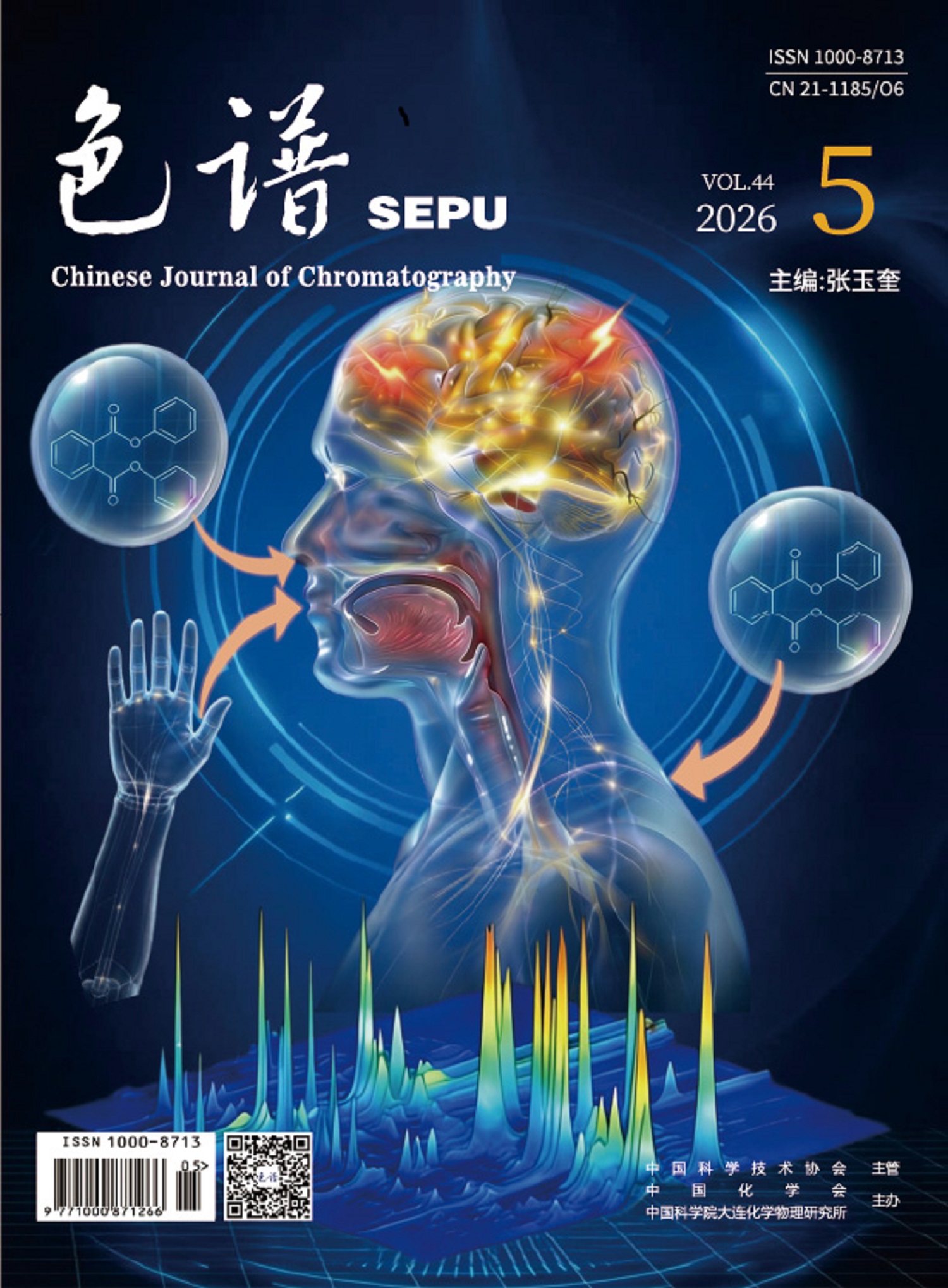
    Traditional phthalate esters (PAEs) and their novel alternatives are widely used as plasticizers. Owing to their non-covalent bonding with polymer matrices, these compounds readily migrate from materials and accumulate in indoor dust, posing potential risks to human health. Although their carcinogenic and reproductive toxicities have been extensively studied, their neurotoxicity, particularly that of novel alternatives, remains poorly understood. To address this knowledge gap, this study adopted an integrated approach combining pollution profiling, health risk assessment, and mechanistic investigation to systematically evaluate the neurotoxicity risks and potential mechanisms of PAEs and their alternatives in typical campus microenvironments (classrooms, laboratories, offices, cafeterias, and dormitories). The contamination profile of target compounds in indoor dust was determined using comprehensive two-dimensional gas chromatography coupled with time-of-flight mass spectrometry (GC×GC-TOF MS). By integrating three exposure pathways (ingestion, inhalation, and dermal contact of dust) with absorption, distribution, metabolism, excretion, and toxicity (ADMET) models, the estimated daily intakes (EDIs) and neurotoxic health risks for different populations were assessed. Furthermore, network toxicology and molecular docking techniques were employed to elucidate the potential toxic mechanisms. Results indicated that dormitories exhibited the highest contents of target compounds, with major components including di-2-ethylhexyl phthalate (DEHP), di(2-ethylhexyl) tetrahydrophthalate (DEHTH), acetyl tri-n-butyl citrate (ATBC), and trioctyl trimellitate (TOTM). Exposure assessment identified ingestion as the predominant exposure route. Using the ADMET model, toxicity equivalency factor (TEF) and toxic equivalent quantity (TEQ) were quantified for five neurotoxicity-related health endpoints, including phenotypic neurotoxicity, estrogen receptor activity, oxidative stress, mitochondrial dysfunction, and DNA damage. Risk assessment based on TEQ revealed that females aged 18-60 years faced higher neurotoxicity risks than males, although no statistically significant gender differences in EDI were observed across all age groups. Mechanistically, network toxicology identified 59 core targets associated with neurotoxicity, including oncogene, non-receptor tyrosine kinase (SRC), serine/threonine kinase 1 (AKT1), estrogen receptor 1 (ESR1), mitogen-activated protein kinase (MAPK1, MAPK3), heat shock protein 90 alpha family class a member 1 (HSP90AA1), and Kirsten rat sarcoma viral oncogene homolog (KRAS). Functional enrichment analysis showed that these core targets were predominantly enriched in pathways related to endocrine resistance and cancer, suggesting that these compounds may induce neurotoxicity by disrupting cellular homeostasis and signal transduction. Molecular docking supported specific binding interactions between representative compounds and core proteins, validating the predicted associations. Notably, diphenyl phthalate (DPhP) and dicyclohexyl phthalate (DCHP) were identified as the key risk drivers. In contrast, novel alternatives with fewer aromatic rings and ester groups, such as diheptyl, N-nonyl adipate (DHeNoA), diisobutyl adipate (DiBA), and diisodecyl adipate (DiDeA), exhibited lower neurotoxic potential. Structure-activity relationship analysis suggested that the synergistic effect of aromatic rings and ester groups is a critical mechanism inducing neurotoxicity. By integrating environmental exposure profiling, TEQ-based risk assessment, and molecular mechanism analysis, this study not only delineates the neurotoxicity risk profile for specific campus populations but also elucidates the influence of molecular structure on neurotoxicity, providing a scientific basis for the targeted screening of low-neurotoxicity alternatives and informed risk management of indoor environmental health.

    Teaching Research
    Integrated pharmaceutical innovation experiment: preparation of molecularly imprinted polymers and the application in sample pretreatment for in vivo drug analysis
    JIANG Yuanyuan, GUO Ruiling, SONG Zhihua, LIU Zongliang, FAN Yutong, XU Hui
    2026, 44 (5):  589-596.  DOI: 10.3724/SP.J.1123.2025.08009
    Abstract ( 125 )   HTML ( 7 )   PDF (1064KB) ( 33 )  

    Under new pharmaceutical science initiatives and innovation training, we address complex biological sample analysis. A comprehensive pharmaceutical experiment was designed for this purpose. It integrates pharmaceutical analysis, polymer chemistry, and analytical chemistry. Advanced molecular imprinting technology (MIT) serves as the key tool. Cholic acid, a significant endogenous metabolite, is selected as the template. Cholic acid molecularly imprinted polymers (CA-MIPs) are synthesized via precipitation polymerization. Their structure is characterized using scanning electron microscopy (SEM) and Fourier transform infrared spectroscopy (FT-IR). The imprinting site and formation mechanism is elucidated. Adsorption performance is evaluated by high performance liquid chromatography (HPLC) and liquid chromatography-mass spectrometry (LC-MS). Selectivity and enrichment efficiency in plasma are assessed. The experiment covers material design, synthesis, and characterization. It also includes application performance evaluation. This demonstrates high-level innovation and challenge. The practice enhances students’ innovative thinking and practical skills. It fosters social and professional responsibility. The project cultivates high-quality applied pharmaceutical talents. This represents a beneficial practice in holistic education.

    Open-ended experiment: microextraction and smartphone-assisted colorimetric quantification of sulfur dioxide
    ZHANG Liang, LIU Chang, ZHU Jia, ZHANG Jinghui, SHEN Wei, TANG Sheng
    2026, 44 (5):  597-604.  DOI: 10.3724/SP.J.1123.2025.09027
    Abstract ( 210 )   HTML ( 13 )   PDF (1012KB) ( 29 )  

    Open-ended experiment courses play a crucial role in cultivating practical skills, innovative thinking and scientific literacy of undergraduate students. In this project, an open-ended experiment was designed and implemented with the theme of quantitative detection of sulfur dioxide (SO2) gas pollutants using smartphone-based colorimetry. During the experiment, volatile SO₂ in samples was enriched using headspace single-drop microextraction. In the single-drop system, SO2 reacted with silver nanoparticles, inducing a distinct color change. SO2 concentration was quantified through colorimetric analysis using a smartphone as a portable detection platform. This experiment guided students to employ smartphones as a novel portable detection platform, inspiring the innovative application of diverse scientific tools. The design covered fundamental analytical chemistry skills, including calibration curve construction, sample quantification and colorimetric analysis. Advanced techniques, such as microextraction and nanoparticle-mediated color reactions, were also introduced. This open-ended experiment course enables undergraduates to understand the core principles of colorimetric analysis in environmental monitoring, fostering a comprehension of the close link between theory and practical techniques in real research contexts. Throughout the experiment, students experience both the rigor and creativity of scientific exploration, while recognizing the broader significance of scientific experimentation in environmental protection, societal development and national technological advancement. Consequently, the course facilitates the internalization of scientific spirit, social responsibility and professional mission, achieving a deep integration of professional competence with values-based education.

    Experimental curriculum design for undergraduates based on the improvement of scientific research abilities: taking determination of pyrimidine fungicides in soil by QuEChERS-gas chromatography-mass spectrometry as an example
    LYU Fenglian, SHAN Xiaoling, ZHAO Ran, ZHENG Wei
    2026, 44 (5):  605-611.  DOI: 10.3724/SP.J.1123.2025.04022
    Abstract ( 222 )   HTML ( 9 )   PDF (636KB) ( 44 )  

    Undergraduate experimental courses are a key way to cultivate students’ scientific research practice and innovation abilities. The traditional experimental teaching mode of “emphasizing process and neglecting inquiry” limits the development of students’ scientific research thinking and innovation ability. Especially in the field of analytical chemistry, technical teaching involving techniques such as GC-MS is limited to confirmatory experiments, which is difficult to meet practical needs. In this paper, a comprehensive experimental teaching scheme integrating method development and problem exploration is constructed based on the development of detection methods for pyrimidine fungicides in soil. It covers four links: method establishment, technology optimization, data analysis and extended verification. The teaching method of group cooperation and personal display is adopted to guide students to optimize the relevant parameters of QuEChERS-GC-MS method and encourage them to independently discover and solve problems independently. The results showed that 1% acetic acid acetonitrile (20 mL) was the optimal extraction solvent; 500 mg PSA+500 mg C18+500 mg GCB+1.2 g MgSO4 was the best purification combination; the linear range of the three fungicides was 0.05-2.0 mg/L, the correlation coefficient was ≥0.995, the LOD was≤0.05 mg/kg and the LOQ was ≤0.167 mg/kg, which was suitable for trace detection. Teaching practice shows that the scheme improves students’ learning initiative and classroom interaction, enhances the quality of experimental reports, lays a foundation for subsequent scientific research experiments, and has important promotion value for the experimental teaching reform of related majors in colleges and universities.